Healthy hair is often seen as a reflection of overall well-being and personal care. While genetics can influence hair texture and growth, proper hair care habits play a significant role in maintaining strong, shiny, and manageable hair. Environmental factors, daily styling practices, and nutrition can all affect the condition of hair over time. Because of this, developing a consistent and thoughtful approach to hair care is essential.
Many people struggle with common hair concerns such as dryness, breakage, frizz, or hair thinning. Fortunately, there are practical solutions that can help address these issues while supporting long-term hair health. From choosing the right products to adopting healthy grooming habits, small adjustments can make a noticeable difference.
Understanding the best ways to care for hair allows individuals to protect it from damage while improving its natural strength and appearance. By focusing on effective hair care practices, anyone can create a routine that supports healthier and more resilient hair.
Choosing the Right Shampoo and Conditioner
One of the most important aspects of hair care is selecting the right shampoo and conditioner for your hair type. Hair products are formulated to address different concerns such as dryness, oiliness, damage, or color-treated hair.
Using a shampoo that matches your hair’s needs helps maintain the natural balance of oils on the scalp. For example, individuals with dry hair may benefit from moisturizing shampoos that contain nourishing ingredients, while those with oily hair may prefer lighter formulas that help regulate excess oil.
Conditioner plays an equally important role by restoring moisture and smoothing the hair strands after cleansing. Applying conditioner mainly to the mid-lengths and ends of the hair helps prevent dryness and breakage while keeping the scalp from becoming too oily.
Following professional hair care routines often begins with understanding how to choose products that work best for individual hair textures and conditions.
Maintaining a Healthy Scalp
A healthy scalp is the foundation of strong and vibrant hair. Since hair grows from follicles located within the scalp, maintaining proper scalp health supports better hair growth and overall hair quality.
Regular cleansing helps remove product buildup, dirt, and excess oil that can clog hair follicles. However, washing hair too frequently may strip the scalp of its natural oils, so finding the right balance is important.
Gentle scalp massages can also improve circulation, which may support healthier hair growth. Massaging the scalp while washing hair or applying oils helps stimulate blood flow and relax the muscles of the scalp.
Some people also benefit from using scalp treatments designed to address specific concerns such as dandruff or dryness. These treatments help maintain a balanced environment that supports stronger hair development.
Protecting Hair from Heat and Styling Damage
Heat styling tools such as blow dryers, curling irons, and straighteners can create beautiful hairstyles, but frequent use may weaken hair strands over time. Excessive heat exposure can lead to dryness, split ends, and breakage.
Using heat protectant products before styling can help reduce the impact of high temperatures on the hair. These products create a protective barrier that shields hair from direct heat while maintaining moisture.
Limiting the use of heat styling tools and allowing hair to air dry whenever possible also helps maintain healthier strands. Choosing gentle styling methods such as loose braids or natural waves can reduce the risk of damage.
Protective hairstyles and avoiding tight hair accessories can also prevent unnecessary stress on the hair roots, helping maintain overall hair strength.
Nutrition and Lifestyle for Healthy Hair
Hair health is not influenced solely by external care routines. Nutrition and lifestyle choices also play a significant role in maintaining strong and vibrant hair.
A balanced diet that includes vitamins and minerals such as iron, zinc, vitamin A, vitamin C, and biotin supports healthy hair growth. Foods like leafy greens, nuts, fish, eggs, and fruits provide nutrients that help nourish hair follicles.
Staying hydrated is equally important because water supports the body’s ability to transport nutrients to different tissues, including the scalp.
Managing stress and maintaining healthy sleep habits also contribute to overall hair wellness. High stress levels may affect hair growth cycles, while sufficient rest allows the body to repair and regenerate cells.
When these habits become part of daily life, they contribute to personal grooming and self care, supporting both hair health and overall well-being.
Establishing a Consistent Hair Care Routine
Consistency is key when it comes to effective hair care. Developing a routine that suits your hair type and lifestyle helps maintain long-term hair health.
This routine may include regular washing, conditioning, gentle detangling, and occasional deep-conditioning treatments. Trimming the ends of the hair periodically can also help prevent split ends from spreading further along the hair shaft.
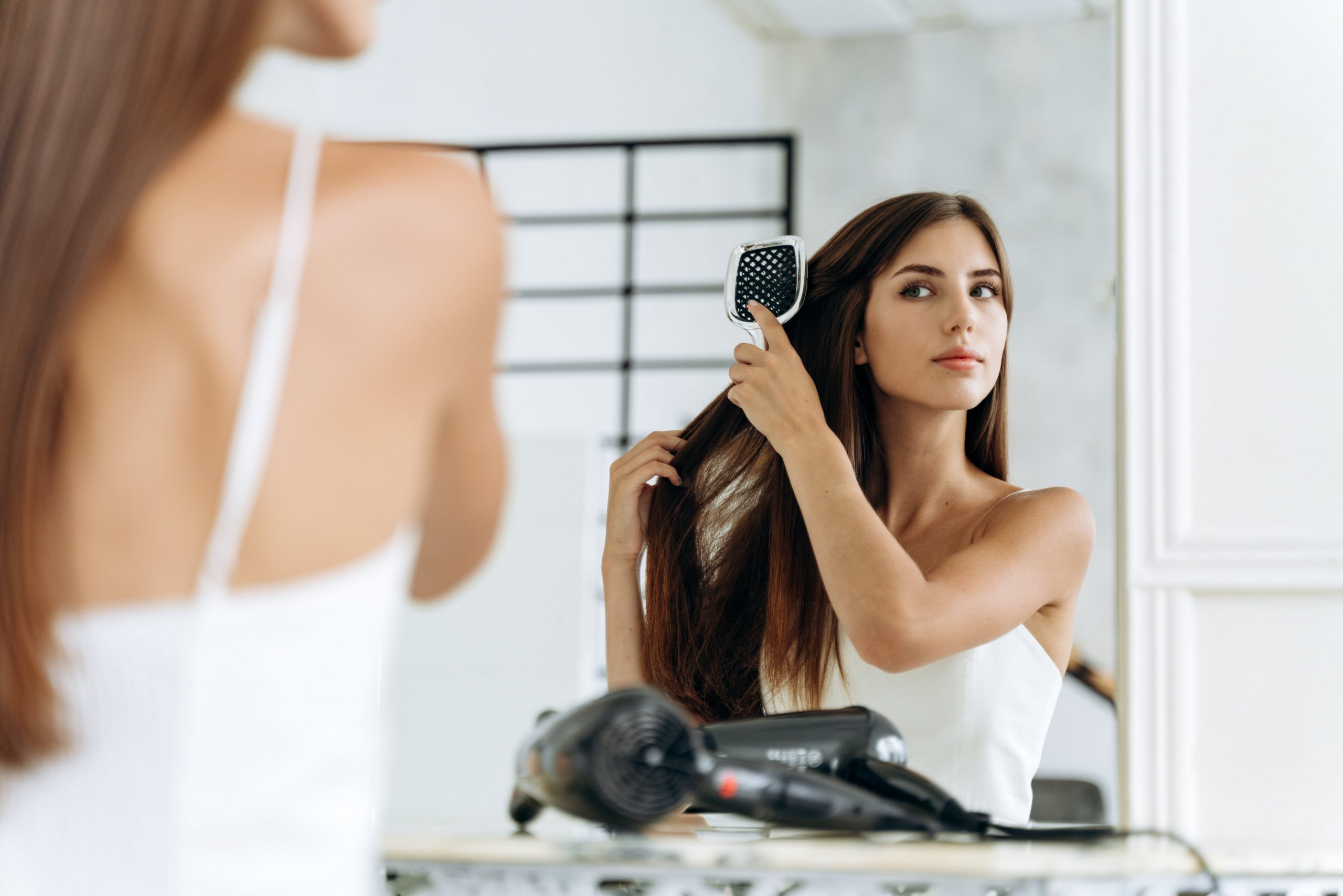
Using a wide-tooth comb or soft brush helps reduce breakage while detangling hair, especially when it is wet and more vulnerable to damage.
Many individuals also find it beneficial to minimize chemical treatments such as excessive coloring or harsh styling processes. While these treatments can change the appearance of hair, overuse may weaken hair structure over time.
By following a consistent routine and adjusting it as needed, individuals can maintain healthier hair while preventing common problems.
Conclusion
Caring for hair requires a balanced approach that combines proper grooming habits, suitable products, and healthy lifestyle choices. By choosing the right shampoo and conditioner, maintaining scalp health, and protecting hair from excessive heat or styling damage, individuals can significantly improve the strength and appearance of their hair. These practices help maintain the natural balance of moisture and nutrients that hair needs to remain resilient and vibrant.
Equally important is the role of nutrition and overall well-being. A diet rich in essential vitamins and minerals, along with good hydration and healthy daily routines, supports the growth of strong hair from within. When combined with consistent grooming practices, these habits contribute to long-term hair health. Establishing a personalized hair care routine allows individuals to address their specific needs while preventing common issues such as dryness, breakage, and thinning. With thoughtful care and attention, anyone can maintain healthy hair that reflects both good grooming practices and overall wellness.