
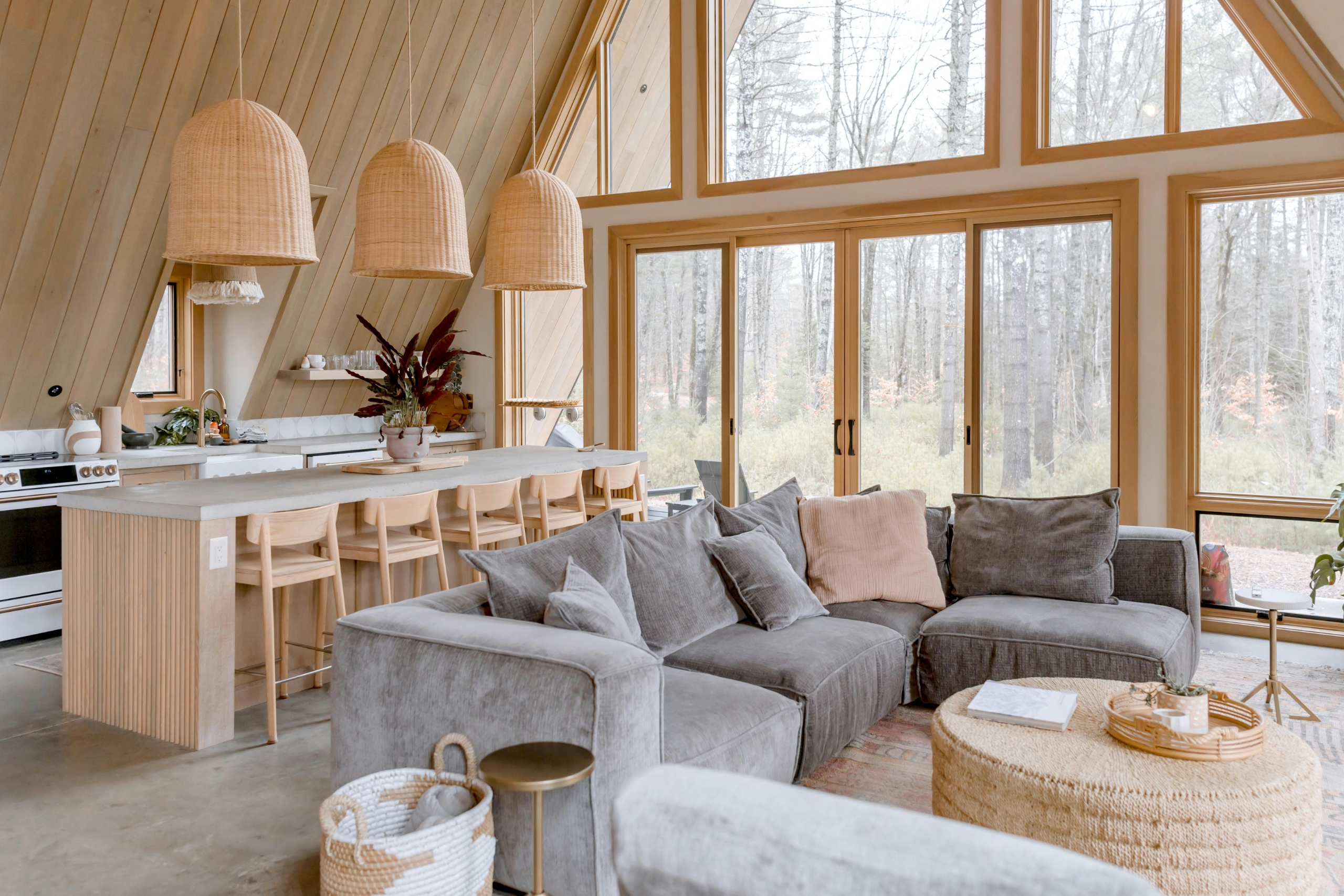
A home that feels warm, comfortable, and inviting can greatly influence how people experience their daily lives. After a long day at work or school, many individuals look forward to returning to a space where they can relax and feel at peace. Creating a cozy home environment does not always require expensive renovations or large furniture upgrades. Often, small design choices and thoughtful details can transform a living space into a welcoming retreat.
A cozy home is typically characterized by warmth, comfort, and personal touches that reflect the personality of the people who live there. Lighting, textures, colors, and organization all play important roles in shaping the atmosphere of a home. When these elements are balanced properly, the home becomes a place where people naturally want to spend more time.
By focusing on simple design strategies and comfortable arrangements, homeowners can create an environment that encourages relaxation and makes returning home feel especially rewarding.
Creating Warm and Comfortable Lighting
Lighting is one of the most important factors in shaping the mood of a home. Harsh, bright lighting can sometimes make a room feel cold or overly formal, while warm lighting creates a more relaxed and welcoming atmosphere.
Soft lighting from table lamps, floor lamps, or warm-toned bulbs can make living spaces feel more comfortable during the evening. Many homeowners prefer layered lighting, which combines different light sources to create depth and warmth throughout a room.
Candles or decorative string lights can also add a cozy glow to certain areas of the home. These lighting elements provide gentle illumination that enhances relaxation.
Many interior designers recommend cozy home atmosphere ideas that focus on adjusting lighting conditions to create inviting spaces where people feel calm and comfortable.
Using Soft Textures and Comfortable Fabrics
Textures play a major role in making a home feel cozy. Soft fabrics and layered materials help create a sense of warmth that invites people to relax and unwind.
Plush cushions, soft blankets, and comfortable rugs can transform a simple seating area into a cozy gathering space. These items encourage people to sit down, relax, and enjoy the comfort of their surroundings.
Natural fabrics such as cotton, wool, and linen are often used in cozy home designs because they add softness while maintaining a natural appearance. Layering different textures—such as a knitted blanket on a fabric sofa—creates visual depth and warmth.
In bedrooms, comfortable bedding and soft pillows can make the space feel more restful. When people feel physically comfortable in their environment, they are more likely to associate their home with relaxation and peace.
Keeping the Home Clean and Organized
A tidy and organized home contributes greatly to a comfortable atmosphere. Cluttered spaces can make rooms feel chaotic and stressful, while clean and organized areas promote calmness and clarity.
Regularly organizing items, clearing unnecessary clutter, and keeping surfaces tidy can make a noticeable difference in how a home feels. Storage solutions such as baskets, shelves, and cabinets help maintain order while still allowing easy access to everyday items.
An organized environment also makes daily routines more efficient. When everything has a designated place, people can move through their homes with ease and comfort.
Cleanliness and organization are simple but powerful ways to create spaces that feel peaceful and inviting.
Adding Personal Touches and Decorations
Personal decorations help transform a house into a home. Items that reflect personal experiences, memories, or hobbies make a space feel unique and meaningful.
Photographs, artwork, travel souvenirs, or handmade decorations can add character to a room. These personal items tell stories and remind homeowners of special moments in their lives.
Plants are another popular addition to cozy homes. Indoor plants bring natural beauty into the living space and can improve the overall ambiance of a room.
When decorations reflect the personality of the homeowner, the space becomes more authentic and emotionally comforting.
Designing Spaces for Relaxation
A cozy home often includes areas specifically designed for relaxation. These spaces encourage people to slow down and enjoy quiet moments after busy days.
Reading corners, comfortable lounge chairs, or window seating areas can provide peaceful spots for rest and reflection. Adding a small bookshelf or soft lighting to these areas enhances the relaxing atmosphere.
Some homeowners also create entertainment areas where family members can watch movies, play games, or spend time together. These spaces strengthen connections and make the home feel lively and welcoming.
Creating these comfortable areas supports comfortable home lifestyle inspiration, encouraging people to enjoy their living spaces more fully.
Conclusion
A cozy home is not defined by size or luxury but by the feeling of comfort and warmth it provides. Through thoughtful design choices such as warm lighting, soft textures, organized spaces, and personal decorations, any home can become an inviting place where people feel relaxed and happy. These elements work together to create an atmosphere that encourages rest and enjoyment after the demands of daily life.
When homeowners focus on creating comfortable environments, their homes naturally become spaces they look forward to returning to each day. Personal touches, peaceful relaxation areas, and a well-maintained environment contribute to a sense of balance and calm within the home. Over time, these small improvements can significantly enhance the overall living experience. By embracing simple strategies that promote comfort and warmth, individuals can transform their homes into welcoming retreats that provide both emotional comfort and a sense of belonging for everyone who lives there.