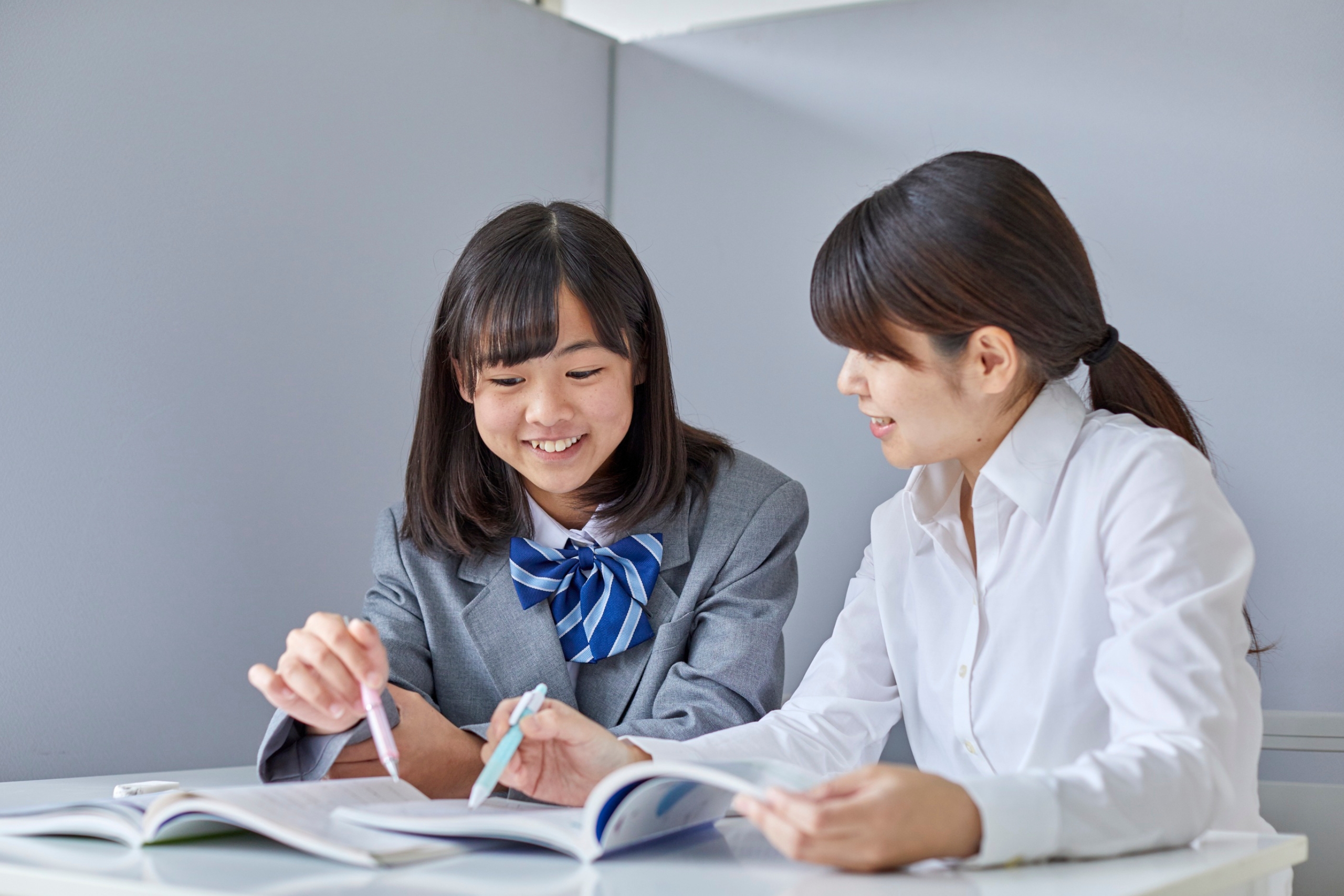

In many countries, schools place importance on student appearance, including proper haircuts, clean uniforms, and well-maintained personal hygiene. These expectations are often part of broader school policies designed to promote discipline, equality, and a respectful learning environment. While some people view these standards simply as rules about appearance, educators often see them as tools that help guide students toward responsible habits and social awareness.
School uniforms, grooming requirements, and personal presentation guidelines are commonly implemented in educational systems across different cultures. These standards aim to create a sense of unity among students while reducing distractions that might interfere with learning. In addition, maintaining neat and appropriate appearance can encourage students to take pride in themselves and their school community.
Understanding the purpose behind these expectations helps explain why many schools emphasize grooming and appearance as part of a student’s educational experience.
Promoting Discipline and Responsibility
One of the main reasons schools emphasize student appearance is to encourage discipline and responsibility. Following guidelines about uniforms, hairstyles, and grooming teaches students how to respect rules and maintain personal accountability.
When students learn to follow these standards consistently, they begin to develop habits that extend beyond the classroom. Simple routines such as preparing uniforms, keeping hair neat, and maintaining hygiene help students build organizational skills and personal discipline.
Educators often believe that these habits contribute to a structured learning environment. When students understand that rules apply to everyone equally, it helps create a sense of order within the school community.
Many institutions implement school grooming and appearance policies to guide students in developing responsible behaviors that can benefit them in both academic and future professional settings.
Encouraging Equality Among Students
Another important purpose of appearance standards in schools is to encourage equality among students. Uniforms and grooming guidelines help reduce visible differences that might otherwise highlight economic or social disparities.
When all students wear similar clothing and maintain similar grooming standards, the focus shifts away from fashion competition and toward academic performance and personal character. This environment can help reduce peer pressure related to clothing brands or expensive accessories.
Uniforms also contribute to a stronger sense of community. When students dress similarly, they may feel a greater sense of belonging and shared identity with their classmates.
In many education systems, these policies aim to ensure that students are judged based on their efforts, abilities, and character rather than external appearance or material possessions.
Maintaining a Focused Learning Environment
Schools also emphasize proper appearance because it helps maintain a focused and distraction-free learning environment. When dress and grooming expectations are clearly defined, students spend less time worrying about fashion trends or peer comparisons.
Clear appearance guidelines help teachers maintain classroom order and prevent disputes related to clothing choices or personal style. When everyone follows the same standards, the classroom atmosphere often becomes more organized and structured.
A consistent appearance policy can also reinforce the idea that school is a place for learning and personal development. By encouraging students to dress appropriately and maintain neat grooming habits, schools help create an environment where academic activities remain the central focus.
These standards contribute to a respectful atmosphere that supports productive classroom interactions.
Preparing Students for Professional Expectations
Appearance guidelines in schools can also prepare students for professional expectations they may encounter later in life. Many workplaces have dress codes and grooming standards that employees are expected to follow.
By learning to maintain neat and appropriate presentation from an early age, students become familiar with the importance of professionalism. Simple habits such as maintaining clean clothing, proper hygiene, and well-groomed appearance can influence how individuals are perceived in academic and professional settings.
Schools often aim to help students develop life skills that extend beyond academic knowledge. Learning how to present oneself appropriately is one of these important skills.
These lessons can help students transition more smoothly into future workplaces or higher education environments where professional behavior is expected.
Supporting Positive School Identity
Student appearance standards can also contribute to a strong school identity. Uniforms and grooming policies often reflect the values and traditions of an educational institution.
When students wear their school uniforms with pride, it can strengthen their connection to the school community. Events such as ceremonies, competitions, and public gatherings often highlight this shared identity.
In addition, neat appearance can improve how the school is perceived by the public. When students represent their school in a respectful and organized manner, it reflects positively on the institution and its educational values.
These practices support positive student discipline and development, encouraging students to take pride in both their personal behavior and their role within the school community.
Conclusion
Student appearance standards, including proper haircuts, well-maintained uniforms, and good personal hygiene, play an important role in many educational systems around the world. While these policies may initially appear to focus only on physical presentation, they often serve broader purposes related to discipline, equality, and personal development. By following grooming and dress guidelines, students learn responsibility, respect for rules, and awareness of how their actions affect the learning environment.
Uniforms and grooming expectations can also help reduce social pressures related to fashion and economic differences among students. This allows schools to place greater emphasis on academic achievement and character development. In addition, these standards help students become familiar with professional habits that may benefit them later in life. When combined with supportive teaching and positive school culture, appearance policies contribute to creating structured and respectful learning environments where students can focus on their studies while developing important life skills for the future.